What Nobody Warns You About Before You Open the Door: The Real Price of Showing Your Process
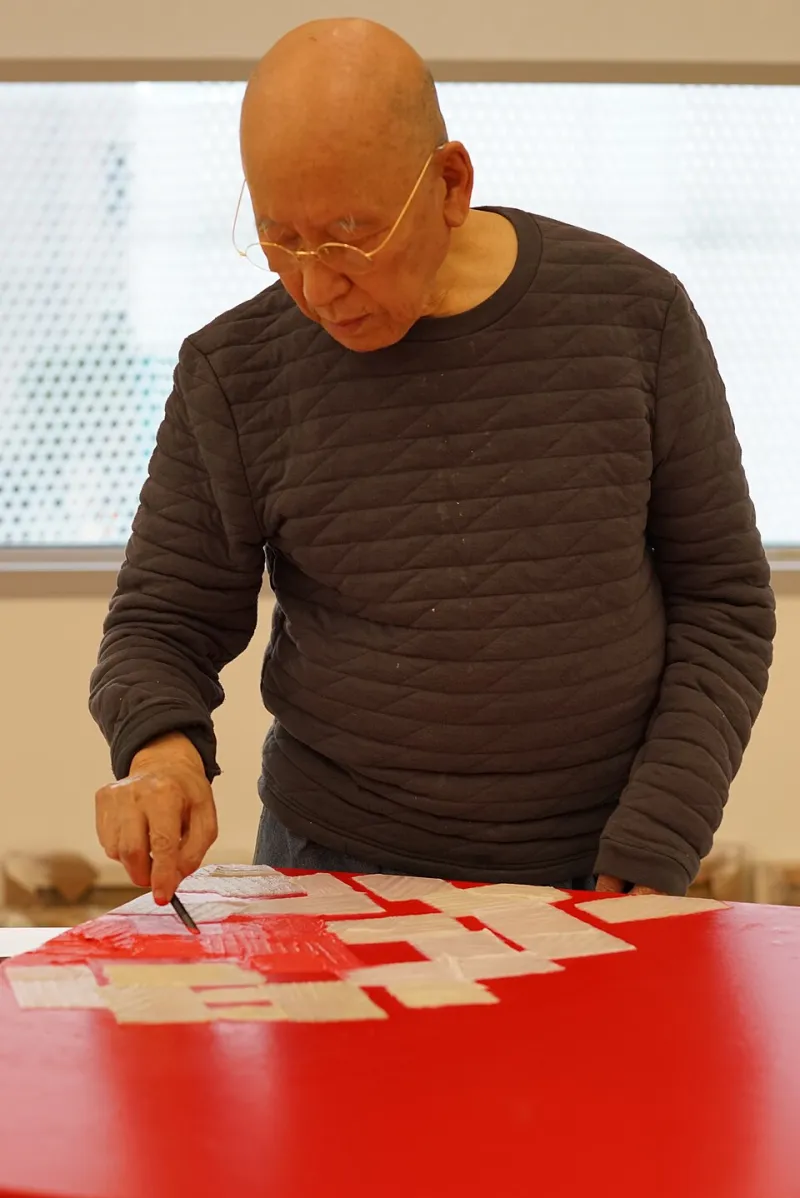
Photo: 선의의 바람, CC BY-SA 4.0, via Wikimedia Commons
There's a moment every artist knows. You're mid-project, something is clicking, and someone — a fan, a follower, a well-meaning friend — asks, "Can I see how you do that?" And because you want to connect, because transparency feels generous and modern and brave, you say yes.
Sometimes that yes is the right call. Sometimes it quietly costs you more than you bargained for.
Let's talk about what actually happens when you open the door.
The Myth of Pure Transparency
We've been sold this idea that radical openness is always good for artists. Show your sketchbook. Post your rehearsal footage. Go live while you're drafting. The logic makes sense on the surface — audiences love behind-the-scenes content, it builds intimacy, it makes you more relatable. And honestly? All of that is true.
But here's the part that gets glossed over: the moment you share your process, you're not just sharing information. You're handing someone a map of your interior world. And not everyone who receives that map is going to treat it with care.
I'm not being cynical here. I'm being real. The people who love your work — genuinely love it — will receive that openness like a gift. But the internet is a big place, and not everyone in your audience has your best interests at heart. Some folks are waiting to critique your half-finished ideas. Some will misread your struggle as incompetence. And a few will take what they see and use it to diminish what you ultimately create.
When Showing Your Work Backfires
Picture this: you're developing a new performance piece. It's rough, it's weird, it's not done yet — which is exactly why it's interesting to you. You share a clip. The comments roll in. Some are supportive. But then one person says, "This doesn't seem ready," and suddenly that voice is the only one you can hear.
That's not a hypothetical. That's something performers and creators experience constantly. Premature exposure to outside opinion can actually freeze your process. It introduces noise at the exact moment you need silence. The creative brain is fragile in early stages — not because artists are fragile people, but because unfinished work genuinely needs protection from judgment while it's still finding its shape.
There's also a subtler risk: once you've shown your method, you become accountable to it in ways you didn't choose. People will expect you to keep working the same way. They'll get confused — or even feel betrayed — when your process evolves. You've inadvertently boxed yourself in.
The Weaponization Problem
This one's harder to talk about, but it matters. Creative vulnerability can be weaponized. Not always by strangers — sometimes by people in your professional circle.
If you've ever shared your doubts about a project with the wrong collaborator, or posted your creative struggles publicly only to have someone use that information to undercut your credibility in a room you weren't in, you know exactly what I mean. Openness about your process can signal uncertainty to people who are looking for any reason to pass on you, replace you, or dismiss your work.
This isn't a reason to become closed off or defensive. But it is a reason to be strategic about where and with whom you're transparent. There's a difference between sharing your process with a trusted community and broadcasting your doubts to a general audience that includes competitors, gatekeepers, and people who don't yet understand what you're building.
How to Actually Calculate the Trade-Off
So how do you decide when to open up and when to guard the work?
Here's a framework I keep coming back to: ask yourself whether the connection you're seeking actually requires the specific vulnerability you're about to offer.
Want your audience to feel closer to you? You don't have to show them every draft. You can share the emotion of the process — what it feels like to be stuck, what it feels like when something finally clicks — without handing over the raw material itself. That's storytelling. That's craft. And it protects the work while still building the relationship.
Want to inspire other creators? Sharing your process can be incredibly powerful for that purpose. But consider the timing. There's a meaningful difference between showing your process after a project is complete versus while it's still alive and unfinished. Retrospective transparency tends to land better — it's instructive without being invasive.
Want to build trust with an audience? Consistency and honesty over time do more for that than any single moment of exposure. You don't have to make yourself maximally vulnerable in one big reveal. Trust is built slowly, through repeated small acts of realness.
What You're Actually Protecting When You Guard Your Process
Here's the reframe that changed things for me: keeping parts of your process private isn't dishonest. It's not hiding. It's curation.
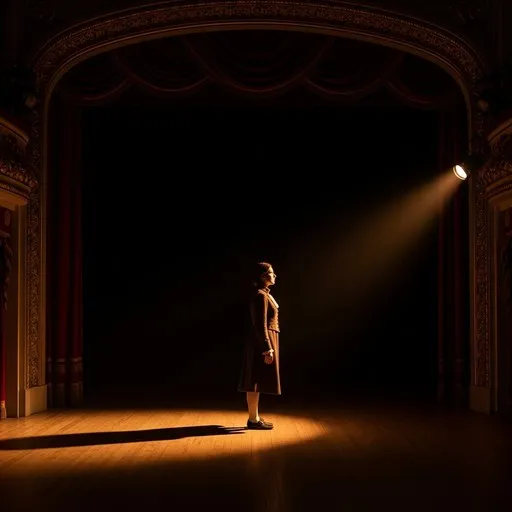
Every great performer knows that what happens backstage stays backstage — not because they're being fake, but because the performance requires a certain kind of mystery to land. The audience doesn't need to see you warming up your voice or running lines in your underwear to feel the full impact of what you deliver on stage. The magic and the mechanics are both real. But they serve different purposes.
Your creative process is yours. It belongs to you. Sharing pieces of it can be a genuine act of generosity, but only when you're doing it on your own terms, for your own reasons, with a clear sense of what you're hoping to build through that sharing.
Protecting your process isn't fear. It's wisdom.
Finding Your Own Line
Every artist has to draw this line for themselves, and it's going to move depending on where you are in your career, what project you're working on, and who's in your audience at any given moment.
What I'd push back on is the idea that more transparency is always better. That's a content strategy talking, not an artistic one. The best creative work often comes from a place of deep privacy — from a space where you were allowed to fail, to be weird, to try things that didn't work, without anyone watching.
You get to decide how much of that space you share. And you get to decide when.
The door is yours. Open it when it serves you. Keep it closed when it doesn't. And don't let anyone convince you that guarding your process makes you less authentic — because the most authentic thing you can do is protect the conditions that let your best work come through.