The Raw Stuff Lands Harder: Why Audiences in 2024 Are Craving Realness Over Refinement
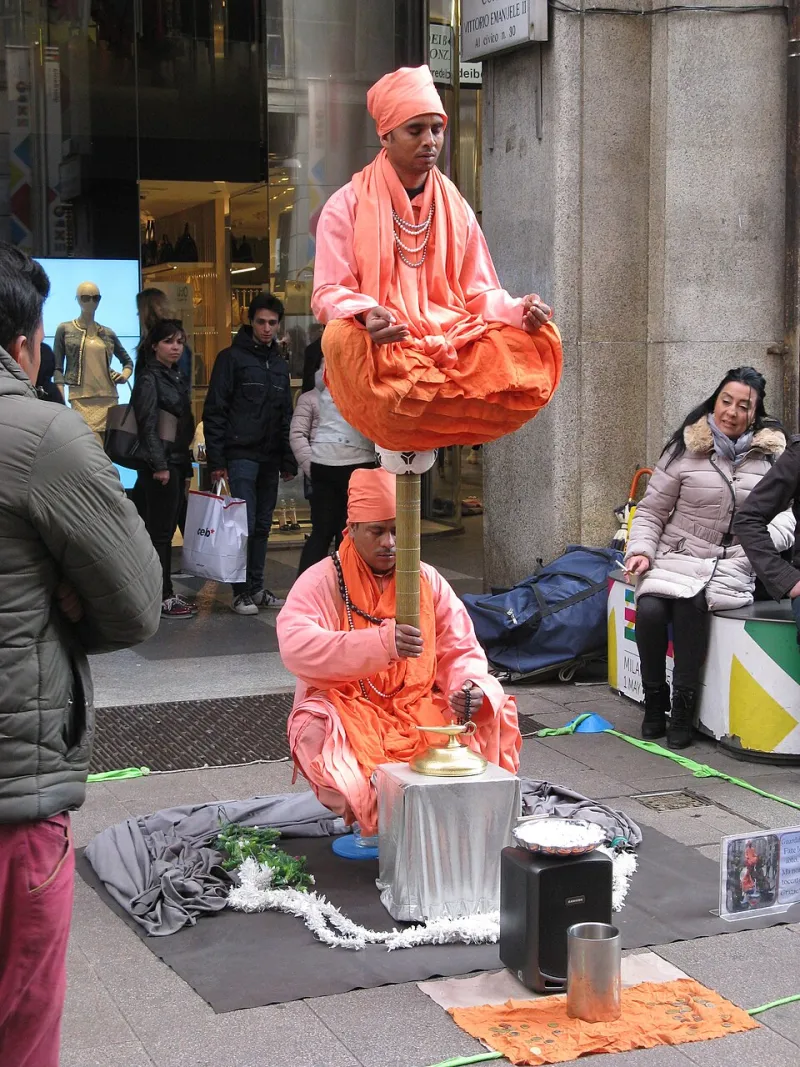
Photo: Yair Haklai, CC BY-SA 3.0, via Wikimedia Commons
I want to start with something a little uncomfortable.
Some of the most technically impressive content I've seen from performers this year has also been some of the least interesting. Beautifully lit. Perfectly edited. Professionally scored. And somehow... hollow. Like watching a commercial for a person instead of actually meeting them.
And then there are the other posts. The shaky phone footage. The honest caption written at midnight. The video where someone messes up a line and just... keeps going. Those ones hit different. You know exactly what I'm talking about because you've felt it — that weird intimacy that comes through a screen when someone stops performing at you and just starts being real with you.
This isn't a coincidence. It's a shift in what audiences actually want from the artists they follow, and in 2024, that shift has become impossible to ignore.
What the Numbers Are Actually Telling Us
Across platforms — TikTok, Instagram, YouTube — the data keeps pointing in the same direction. Behind-the-scenes content outperforms highlight reels. Candid captions drive more saves and shares than polished promotional copy. Videos where artists show the process, the struggle, or even the failure consistently generate more meaningful engagement than the final, finished product.
This isn't about lo-fi aesthetics being trendy. It's about something deeper: people are exhausted by the performance of perfection, and they're gravitating toward artists who seem to understand that.
The US audience especially — we've been marketed to so aggressively for so long that we've developed a finely tuned radar for inauthenticity. When something feels produced, we feel it. When something feels real, we feel that too. And real wins almost every time.
The Permission Thing
Here's the frame I keep coming back to: your audience isn't just watching you. They're watching to see what's allowed.
When you share the messy draft, you're giving your audience permission to have messy drafts. When you talk about the performance that didn't land the way you hoped, you're giving other performers permission to have off nights. When you show up on camera without the ring light and the perfectly curated background, you're giving people permission to show up as they are.
This is not a small thing. This is actually the core of what storytelling does at its best — it creates a space where people feel less alone in their own experience.
The artists who understand this aren't just building audiences. They're building communities. And communities are infinitely more valuable than audiences, because they stick around, they advocate for you, and they actually buy things.
Strategic Authenticity Is a Real Skill
Okay, here's where I want to pump the brakes a little, because this conversation can go sideways fast.
Vulnerability is not the same as oversharing. Realness is not the same as chaos. And "being authentic" is not a license to dump every unprocessed feeling onto your platform and hope it resonates.
Strategic authenticity — and yes, it can be both strategic and authentic — means knowing which parts of your real experience are genuinely useful to share with your audience, and which parts you're sharing because you need an outlet.
A few ways to think about this:
Share the struggle after you've found something in it. There's a difference between venting and storytelling. Venting is just offloading. Storytelling is finding the shape of an experience and offering it to someone else in a way that lands. You don't have to have everything figured out — but you should have something to offer, even if it's just the honest question you're sitting with.
Let people into the process, not just the breakdown. Behind-the-scenes content works because it shows how you make things, not just that making things is hard. The reel of you writing, rehearsing, scrapping and starting over — that's fascinating. A post about how exhausted you are without any context is just noise.
Know your line. Every artist has to figure out for themselves where their private life ends and their public story begins. That line is different for everyone, and it's okay for it to shift over time. But you should be making that call deliberately, not reactively.
How This Translates to Actually Building Something
If you're wondering how vulnerability and realness connect to practical career growth, here's the direct line: trust.
Audiences who feel like they know you — really know you, not just your highlight reel — are the ones who show up when you launch something. They pre-order the thing. They share the announcement. They come to the show even when it's not the most convenient night.
This kind of loyalty is built slowly, through consistent, honest communication over time. Not one viral moment of vulnerability, but a sustained practice of showing up as a real person who makes real work.
For performers and storytellers specifically, this is actually your home turf. You already know how to find the emotional truth in a moment. You already know how to make an audience feel something. The shift is just applying those skills to how you show up as yourself, not just in the work you create.
The Practical Moves
If you want to start leaning into this without feeling like you're overhauling your entire brand, start small:
- Post one piece of process content per week. A rehearsal clip, a work-in-progress shot, a voice note about something you're figuring out.
- Write one caption that tells a real story instead of promoting something. Just a moment that happened, why it mattered, what you're still thinking about.
- Let one imperfect take stay imperfect. Don't reshoot it six times. See what happens when you post the one where your voice cracks or your timing is slightly off.
You might be surprised. The one you almost didn't post is often the one that gets the most real responses.
The Bigger Picture
Polished content still has its place. There are moments that call for the full production treatment — the official trailer, the press release, the portfolio piece you want to last.
But if every touchpoint with your audience is polished, you're not letting them in. You're just showing them a very well-lit door.
The artists building the most meaningful connections right now are the ones who've figured out that people don't want to be impressed. They want to be moved. They want to feel something real.
And the real stuff? It doesn't need a ring light. It just needs to be true.