The Person Nobody Bet On Is the Most Dangerous One in the Room
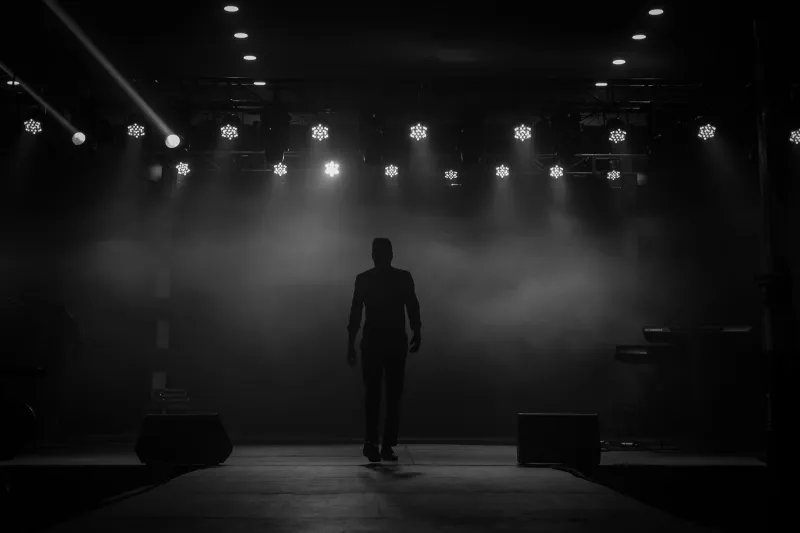
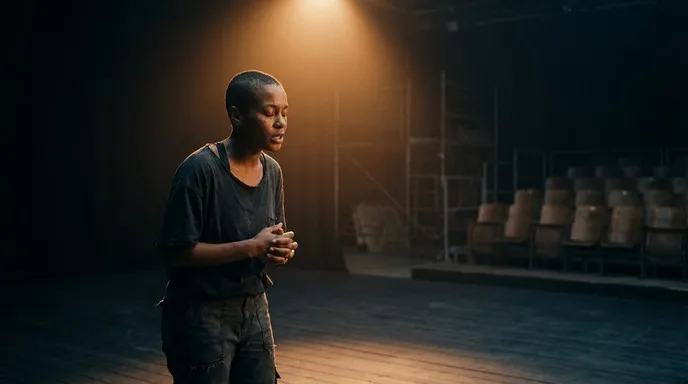
Let me tell you about a specific kind of confidence. Not the loud kind. Not the kind that walks in with a full entourage and a highlight reel. I'm talking about the quiet, almost dangerous confidence of someone who has been watching every move, memorizing every beat, and staying ready — for months — while the room's attention pointed somewhere else.
That's the understudy. That's the fill-in. That's the person who said yes to the backup slot when everyone else was jockeying for the lead.
And honestly? That person is often the most prepared human being in the entire building.
The Consolation Prize Myth
There's a story we tell ourselves — and that the industry kind of reinforces — that being second choice means you're somehow less. Like the understudy role is a polite way of saying "we like you, but not that much." It stings a little. Sometimes it stings a lot.
But here's what that framing completely misses: the understudy doesn't just learn their own part. They learn everything. They sit in on rehearsals they technically don't need to be at. They watch the blocking get adjusted seventeen times. They hear the director's notes — not just the broad strokes, but the nuanced, granular stuff that only surfaces after weeks of iteration. They understand the show from the inside out in a way that even the lead sometimes doesn't.
That's not a consolation prize. That's an education you couldn't pay for.
What Waiting Actually Does to You
There's a mental transformation that happens when you accept a standby position with the right attitude. And I want to be honest — it doesn't happen automatically. Plenty of people take understudy gigs with resentment simmering just below the surface, and that energy tends to poison the whole experience.
But when you make a genuine decision to be all in on the backup role — when you treat every single run-through like you're the one going on that night — something shifts. You stop performing for the room's approval and start performing for your own standard. You develop a kind of internal accountability that's actually pretty rare.
You also get something the lead doesn't always get: time to watch the audience. Time to study what lands, what doesn't, what creates genuine electricity versus what just technically works. That observational data is gold. You're basically doing field research while everyone else is in the middle of the experiment.
The Moment the Door Opens
Here's the thing about standby positions — they come with a clock. At some point, whether it's a last-minute call, an unexpected vacancy, or a production shift you never saw coming, the door opens. And when it does, it opens fast.
The difference between the understudy who steps through that door and owns it versus the one who stumbles through it unprepared comes down entirely to what they did with the waiting time. Did they treat the in-between as dead space? Or did they treat it like the most intensive training camp of their career?
I've seen both versions play out. The second one is something to watch.
When you're genuinely ready — not just technically ready but emotionally ready, creatively ready — the breakthrough doesn't feel like a stroke of luck. It feels like a door that was always going to open eventually because you kept showing up on the other side of it.
The Bigger Career Play
Beyond any single production, there's a longer-game argument for the understudy path. Creatives who are willing to take supporting positions — fill-in gigs, last-minute slots, opening spots for bigger acts — build a reputation that's genuinely hard to manufacture.
They're known as reliable. Adaptable. Professional under pressure. Those aren't small things. In a world where a lot of talent exists but dependability is surprisingly rare, being the person who shows up fully prepared to any situation becomes a serious competitive advantage.
Producers talk. Directors remember. The person who came in off the bench and held everything together gets remembered differently than the person who had the lead from day one. There's a story attached to the comeback. There's weight to the clutch performance.
Reframing the Role Before You Even Accept It
If you're standing at the edge of a decision right now — weighing whether to take a smaller role, a standby position, or a fill-in gig that feels beneath where you thought you'd be by now — here's the question worth sitting with:
What would this look like if you treated it like the main event?
Not as a performance for other people. Not to prove something to the director or the industry or your peers. But genuinely, internally — what would you learn, absorb, and develop if you brought your absolute best to the role nobody else is watching?
The answer to that question has launched more careers than a lot of people want to admit. The understudy who goes on and never goes back to standby status isn't a fairy tale. It's a pattern. And it almost always starts with someone who refused to let the label on the role define the quality of their preparation.
You're not the backup plan. You're the person who was ready when it counted.