Stop Working the Room and Start Working the Relationship
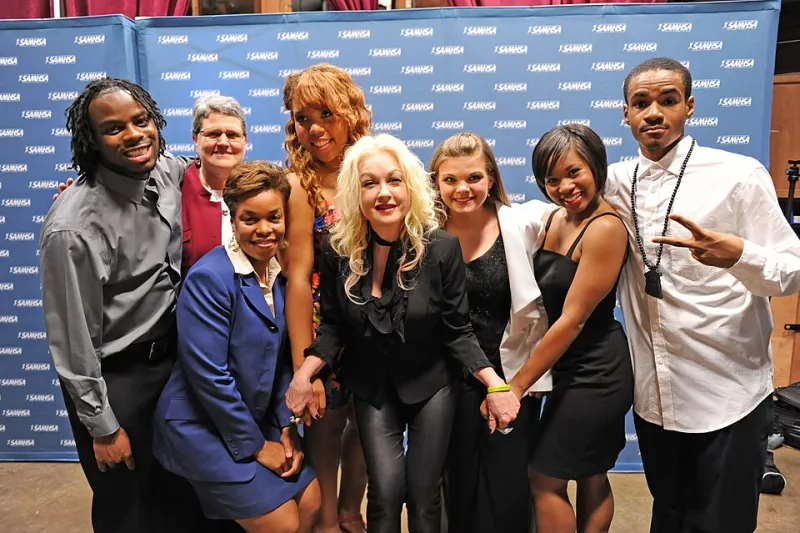
Photo: Karl Baron, CC BY 2.0, via Wikimedia Commons
I used to think networking was a volume sport.
Show up to every industry event. Shake every hand. Collect cards like they were lottery tickets. The logic made sense on the surface — the more people you know, the more doors open, right? So I worked the rooms. I hit the post-show receptions in New York, the showcase afterparties in LA, the mid-level industry brunches that always smelled like ambition and lukewarm eggs.
And I ended up with a very full contacts list and a career that wasn't moving.
It took me an embarrassingly long time to figure out what was going wrong. The problem wasn't that I wasn't meeting enough people. The problem was that I wasn't actually connecting with any of them.
The Crowded Room Illusion
Here's the thing nobody tells you about those big industry mixers: almost everyone there is just as lost as you are. They're performing confidence. They're handing out cards hoping someone else will do the heavy lifting. The whole event is basically a room full of people auditioning for each other without any of the honesty that makes a real audition useful.
I'm not saying those events are worthless. Sometimes you do meet someone worth knowing. But treating them as your primary networking strategy? That's where performers go sideways.
When I look back at every significant opportunity I've gotten — every collaboration that actually mattered, every introduction that opened a real door — almost none of them came from a crowded mixer. They came from a conversation I had with one person, usually somewhere quieter, where we both dropped the performance and just talked like human beings.
That distinction is everything.
What a Real Connection Actually Looks Like
A few years back, I met a director at a small theater in Chicago. Not at a big event — at a coffee shop, through a mutual friend who thought we'd get along. We talked for two hours. Not about credits or representation or who we knew. We talked about the work itself. What we were trying to say with it. What scared us about it.
That conversation turned into a collaboration that I'm still proud of. Not because we were both strategically positioned to help each other's careers. But because we genuinely understood each other's artistic vision and trusted each other enough to take risks together.
That's the kind of relationship that actually accelerates a career. And you cannot manufacture it in a room full of strangers nursing cocktails and waiting to drop their elevator pitch.
The Framework I Actually Use Now
I stopped thinking about networking as a thing I go do. Instead, I think about it as a practice that happens inside every genuine interaction I have with another creative person.
Here's how that breaks down in real terms:
Go deep, not wide. I'd rather have five relationships where there's genuine mutual respect and curiosity than five hundred surface-level connections. When I meet someone whose work genuinely interests me, I invest time in that. I follow their projects. I reach out when something they do resonates. I show up for their stuff without any agenda attached.
Be the person who gives first. The performers and artists who've become my most valuable long-term connections are the ones who offered something before they ever asked for anything. A recommendation, a resource, an honest piece of feedback. When you lead with generosity, people remember you differently than they remember the person who just handed them a card.
Let it be a real conversation. This sounds obvious, but it's surprisingly hard to do when you're anxious about making a good impression. Ask questions you actually want the answers to. Share something true about where you are in your work, including the parts that aren't polished. Authenticity is magnetic in a world full of performers who never break character.
Follow up like you mean it. One of the biggest missed opportunities I see is the failure to follow through after a promising first conversation. Send the email. Share the article you mentioned. Make the introduction you offered. The follow-up is where a conversation becomes a relationship.
The Relationships That Actually Changed Things
When I'm honest with myself about the moments that genuinely shifted my career trajectory, they all trace back to a handful of people. A mentor who told me the truth about a performance when everyone else was being polite. A collaborator who pushed me to take a creative risk I was afraid of. A peer who recommended me for something they could have kept for themselves.
None of those people were connections I made by working a room. They were people I got to know slowly, over time, through repeated honest interaction. Some of them I've known for years before anything career-related ever came out of the relationship.
That's the part that's hard to sell in an age of hustle culture and LinkedIn optimization. Genuine relationships take time. They require patience and a certain willingness to invest without knowing the return. But when they pay off, they pay off in ways that no business card stack ever could.
Redefining What Success in Networking Looks Like
If you leave an industry event with one real conversation under your belt — one where you both actually said something true — that's a more successful night than leaving with thirty cards and zero real exchanges.
Quality over quantity isn't just a cliché. In the performing arts world, it's a survival strategy. The industry is smaller than it looks from the outside, and your reputation travels through those deep relationships faster than any social media presence ever will.
Start thinking about who the five or ten people are in your professional world who you want to genuinely invest in. Not because of what they can do for you right now — but because you respect their work, you share some common creative values, and you could actually help each other grow over the long haul.
Then stop going to every mixer, and start going deeper with those people instead.
The room will always be crowded. The relationship is where the real work happens.