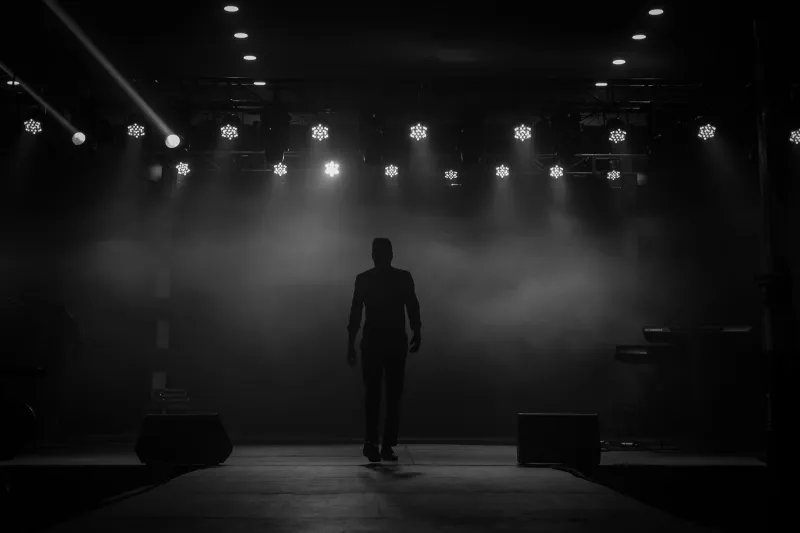
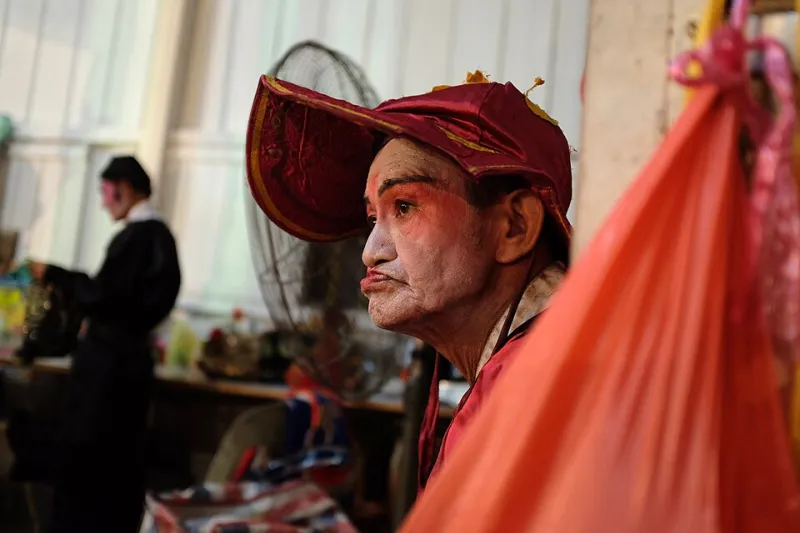
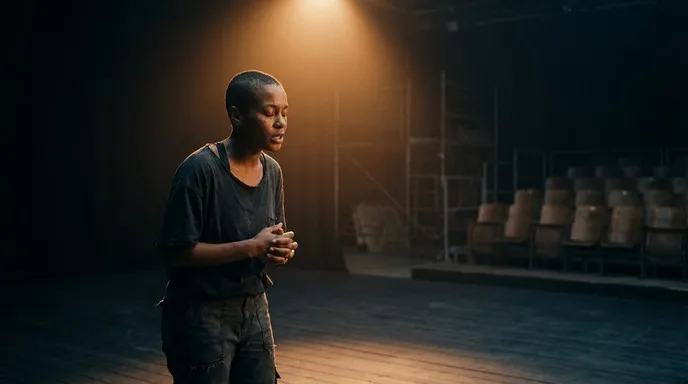
I Got Quiet on Purpose — and It Was the Best Career Move I Ever Made
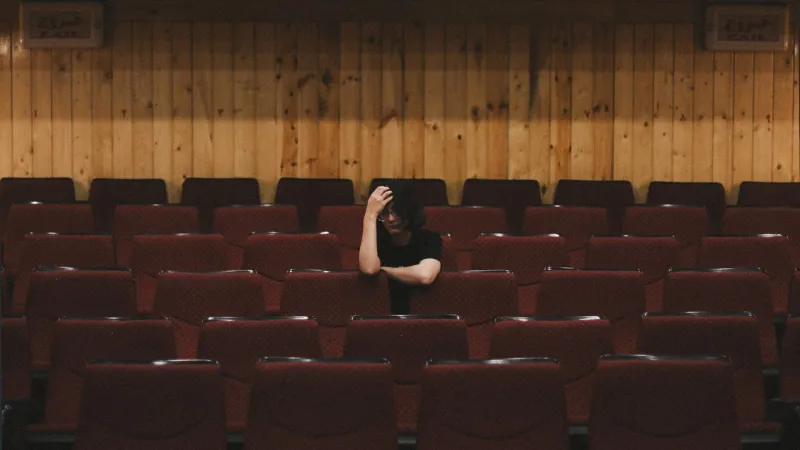
Everybody in this industry will tell you the same thing: stay visible. Keep posting. Stay in the conversation. The moment you go quiet, you go irrelevant.
I believed that for a long time. And then I stopped believing it, got deliberately quiet for a stretch, and came back more grounded than I'd been in years.
This isn't a story about burning out and recovering. It's about making a calculated choice to pull back from the noise — and discovering that the silence was doing something the constant output never could.
The Always-On Trap
Let's be honest about what the hustle culture of creative work actually produces when you run it too long without a real break. It produces content. It doesn't always produce art.
There's a difference, and the audience can feel it even when they can't name it. Work that comes from a depleted, distracted, perpetually-performing-for-the-algorithm place has a certain quality to it. It's technically fine. It hits the marks. But it doesn't linger. It doesn't land in the chest. It's the creative equivalent of fast food — it satisfies in the moment and then it's gone.
I got to a point where I could feel myself producing that kind of work. Not bad work, technically. Just... thin work. Work that was more about maintaining presence than saying something real. And I knew — even before I was ready to admit it — that something had to change.
The visibility machine had eaten my point of view. I was still showing up, but I wasn't sure anymore what I was showing up as.
What Stepping Back Actually Looks Like
I want to be specific here, because "stepping back" can sound like a vague, privileged thing to do. Like you just take a sabbatical and journal by a lake somewhere.
For me, it was more deliberate than that. I made a list of the commitments and outputs that were taking the most from me while giving back the least — creatively, not just financially. I started declining things that were visible but hollow. I stopped posting on a schedule and only shared things when I genuinely had something to say. I cleared space in my calendar that I didn't immediately fill with other projects.
And then I waited to see what showed up.
The first few weeks were uncomfortable in a way I wasn't expecting. The silence felt like failure. Every day I wasn't producing something public felt like a day I was falling behind. The FOMO was real. Someone else was getting the opportunity I would have gotten if I'd just said yes. Someone else was staying in the conversation I'd stepped out of.
But somewhere around week three, something shifted. I started noticing things I'd stopped noticing. I started getting genuinely curious about ideas again instead of just mining them for content. I started having opinions about my own work that weren't filtered through the question of how they'd play publicly.
My point of view started coming back.
The Brand Benefit Nobody Talks About
Here's the counterintuitive thing about strategic invisibility: absence, when it's intentional, creates a certain kind of gravity.
When you're everywhere all the time, people stop anticipating you. You become ambient noise — present, familiar, but not something anyone's waiting for. But when you're selective about when and how you show up, your appearances carry weight. People notice when you resurface. They're more attentive because your visibility isn't guaranteed.
This isn't about playing games with your audience. It's about understanding the economics of attention. Scarcity — real scarcity, not manufactured scarcity — makes things matter more. And the only way to create real scarcity is to actually pull back, not just pretend to.
Some of the most enduring artists in American entertainment have used this principle without ever calling it a strategy. They disappear between projects. They don't fill every gap with content. And when they come back, people lean in.
That lean is worth more than any algorithm-chasing strategy I've ever tried.
What the Quiet Rebuilt
The practical benefits of stepping back were real and measurable, but the deeper benefit was something harder to quantify: I got my instincts back.
When you're constantly producing for external consumption, you start outsourcing your creative judgment to your metrics. What performed well last time? What got the response I was hoping for? What does the audience seem to want right now? Those are useful questions in moderation. But when they become the primary filter for every creative choice, you stop trusting yourself.
The quiet gave me back the ability to evaluate my own work on its own terms. Not "will this land?" but "does this feel true?" Not "is this what people are expecting from me?" but "is this what I actually want to make?"
That shift — from external validation as the primary measure to internal resonance as the starting point — changed the quality of everything I made when I came back. Not because I stopped caring about the audience, but because I cared about them differently. I came back with something to offer instead of something to maintain.
Coming Back Stronger Isn't a Cliché If You Do It Right
The comeback — and I use that word loosely, because it wasn't dramatic — was different from every return I'd made before. I wasn't trying to pick up where I left off. I was showing up as a version of myself that had been sharpened by the absence.
The work was more specific. The performances felt more grounded. I was less reactive to feedback because I had a clearer sense of what I was actually going for.
And the audience felt it. Not because I announced that I'd taken a break and grown from it — nobody wants to hear that speech. But because the work itself had a quality that the pre-break work had been missing. Something real was in it again.
The Permission You Didn't Know You Needed
If you're reading this in a season where you're exhausted by your own output, where everything you're making feels like maintenance rather than creation, where you can't remember the last time you surprised yourself — this is your permission slip.
You don't have to be everywhere. You don't have to fill every silence. You don't have to keep the machine running at full speed just because the machine can run at full speed.
Some of the most important work you'll ever do will happen in the space you create by getting quiet. Not because inspiration is waiting there like a reward for resting — but because the noise you've been generating has been drowning it out.
Turn it down. See what you can hear.